
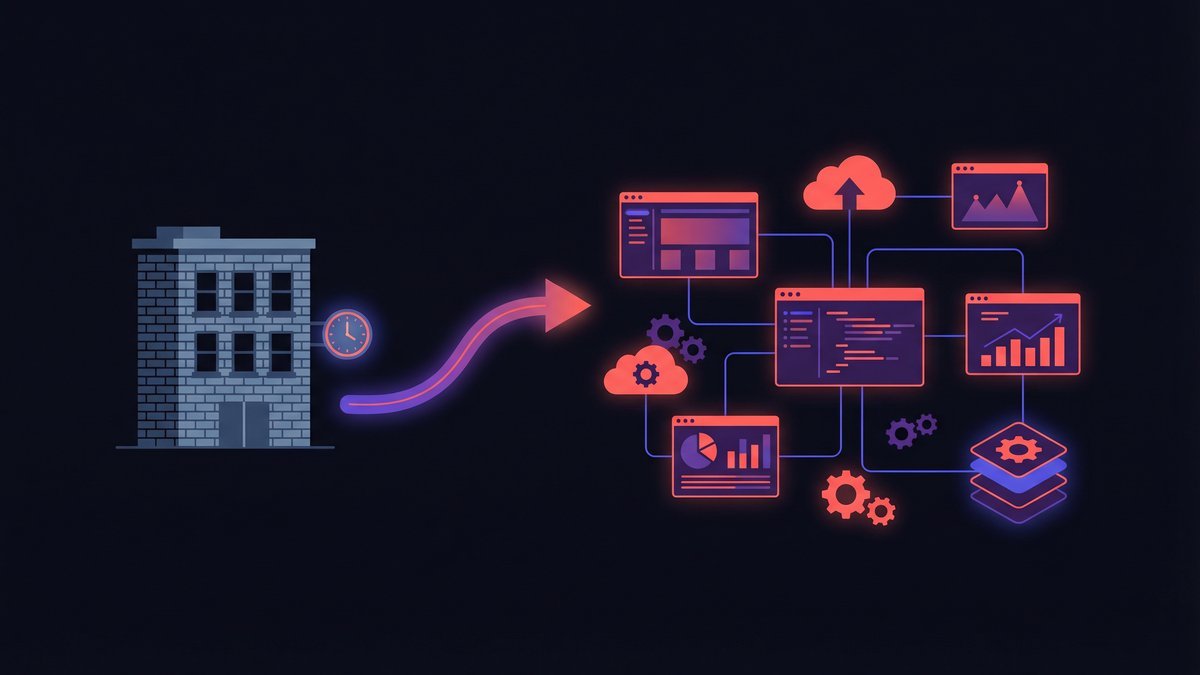
Small and medium enterprises (SMEs) are increasingly turning to digital transformation to stay competitive and grow. This practical guide breaks down the essential steps for a successful digital transformation SME journey in 2026.
From establishing a strong web presence to leveraging SEO, targeted advertising, CRM systems, automation, and artificial intelligence, SMEs can unlock new growth opportunities and operational efficiency. Let’s explore these steps in detail.
Building a Solid Website for Digital Transformation SME
Starting with a professional and responsive website is fundamental for any digital transformation SME initiative. Your website serves as the primary digital storefront and must reflect your brand accurately. It’s important to focus on user experience, mobile responsiveness, and fast loading times to meet customer expectations.
Integrating clear calls to action and easy navigation helps convert visitors into customers. Consider using a reputable agency like Web Generation’s website creation service, which specializes in SME websites tailored for performance and scalability. This ensures your digital foundation is strong and adaptable to future growth.
Optimizing SEO to Boost SME Digital Presence
SEO remains a crucial pillar for SMEs aiming to enhance their online visibility. Implementing a targeted SEO strategy helps your business rank higher in search engine results, driving organic traffic without heavy ad spend. Focus on relevant keywords, quality content, and technical SEO aspects such as site speed and structured data.
Utilize tools like the free SEO Analyzer from Web Generation to audit your site and identify improvement areas. Additionally, understanding the 336 SEO criteria that affect rankings can empower SMEs to implement effective optimizations in-house or with expert help.
Leveraging Ads for Targeted Digital Transformation SME Growth
Paid advertising complements organic efforts by delivering immediate visibility and targeted reach. Platforms like Google Ads allow SMEs to focus budgets on specific audiences, regions, or keywords, maximizing return on investment. Structuring ads with clear messaging and tracking conversions is essential for ongoing success.
For SMEs new to paid campaigns, professional support can streamline setup and management. Web Generation’s Google Ads service and Ads Optimizers help optimize ad performance, control costs, and improve campaign results.
Integrating CRM Systems to Enhance Customer Management
Customer Relationship Management (CRM) tools are vital for SMEs undergoing digital transformation. A CRM system centralizes customer data, streamlines communication, and supports sales and marketing automation. This leads to better customer insights, improved retention, and more personalized interactions.
Select a CRM that fits your business size and needs, ensuring it integrates smoothly with your website and marketing tools. Combining CRM with automation can reduce manual tasks, allowing your team to focus on strategic growth. Web Generation can guide SMEs in choosing and implementing the right CRM solutions.
Automating Processes and Using AI to Future-Proof Your SME
Automation and artificial intelligence (AI) technologies are transforming how SMEs operate. Automating repetitive tasks such as email marketing, invoicing, or customer support increases efficiency and reduces errors. AI-powered tools can analyze data, predict customer behavior, and personalize marketing efforts.
Adopting automation and AI may seem complex initially, but starting with manageable projects can yield quick wins. Web Generation’s expertise in digital transformation SME includes advising on automation strategies and AI integration to keep your business competitive and agile.
Conclusion
Digital transformation SME is a multi-step process that requires careful planning and execution. From creating an effective website to leveraging SEO, paid ads, CRM, automation, and AI, SMEs can unlock significant growth and operational improvements. For those ready to take the next step, Web Generation offers tailored services and tools designed to support every phase of your digital journey.
Discover more about how we can assist with your transformation at Web Generation or start optimizing your SEO strategy today with our free SEO Analyzer.
Frequently Asked Questions (FAQ)
What is digital transformation for SMEs?
Digital transformation for SMEs refers to the process of integrating digital technologies into all areas of a small or medium business, fundamentally changing how it operates and delivers value to customers. This includes adopting digital tools like websites, SEO, CRM systems, automation, and AI to improve efficiency and growth.
How can SMEs start their digital transformation?
SMEs can begin by establishing a professional website, optimizing it for SEO, and setting up targeted online advertising. Following that, integrating CRM systems and automating routine tasks can streamline operations. It’s important to plan each step based on business goals and resources.
Why is SEO important for SME digital transformation?
SEO increases a business’s visibility in search engines, attracting organic traffic without ongoing advertising costs. For SMEs, effective SEO enhances brand awareness, drives qualified leads, and supports sustainable growth within limited budgets.
What role does automation play in SME growth?
Automation reduces manual, repetitive tasks such as email campaigns, invoicing, or customer follow-ups. This frees up time for staff to focus on strategic activities, improves accuracy, and accelerates response times, contributing to better customer experiences and operational efficiency.
Can AI benefit small businesses in digital transformation?
Yes, AI tools can help SMEs analyze customer data, predict trends, personalize marketing, and offer chatbots for customer service. While implementation should be gradual, AI provides competitive advantages by enhancing decision-making and customer engagement.