
Launching an ecommerce site in Tunisia offers exciting business opportunities thanks to the country’s growing internet penetration and increasing online consumer base. However, creating a successful online store requires a clear strategy, from choosing the right platform to setting up efficient payment and delivery systems.
This guide walks you through the essential steps to establish your ecommerce site Tunisia, covering platform choice, payment integration, delivery logistics, and marketing strategies. Whether you’re a startup or expanding an existing business, these insights will help you build a solid online presence.
Choosing the Right Ecommerce Platform for Your Ecommerce Site Tunisia
Selecting the right ecommerce platform is foundational when building your ecommerce site Tunisia. Popular platforms like Shopify, WooCommerce, and Magento offer various features suited to different business sizes and needs. Shopify provides an all-in-one solution with hosting and security, ideal for startups. Meanwhile, WooCommerce integrates well with WordPress for those wanting more customization and control. Magento suits larger businesses requiring complex functionalities.
When choosing, consider the platform’s support for Arabic and French languages, mobile responsiveness, SEO capabilities, and ease of payment integration. It’s also important to verify if the platform supports Tunisian currency and local payment gateways to ensure a smooth customer experience.
Integrating Secure Payment Methods for Your Ecommerce Site Tunisia
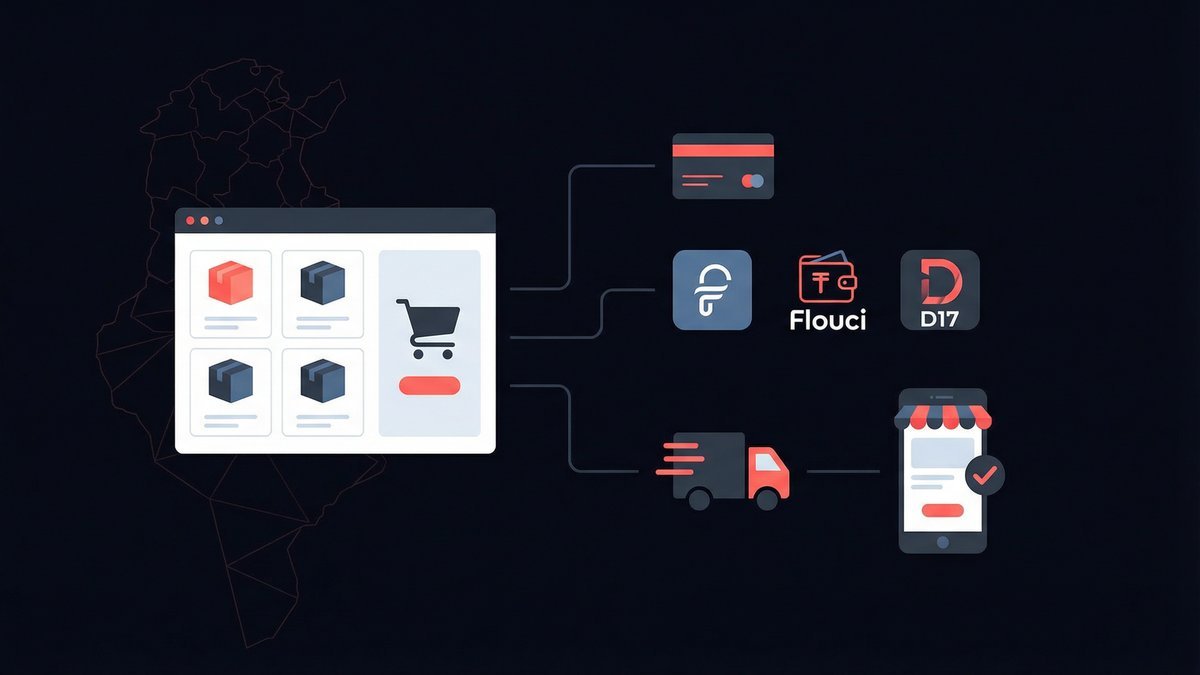
Payment options directly influence customer trust and conversion rates on your ecommerce site Tunisia. Offering multiple secure payment gateways is essential. Commonly used methods in Tunisia include credit/debit cards, PayPal, and local options such as e-dinar and Mobibank. Integrating international gateways like Stripe might be limited, so research local compatibility carefully.
Use SSL certificates to encrypt transactions and display trust badges to reassure buyers. Additionally, consider cash on delivery (COD), which remains popular in Tunisia due to consumer preferences. Offering transparent pricing and clear refund policies further enhances credibility and encourages repeat purchases.
Optimizing Delivery and Logistics for Ecommerce Site Tunisia
Efficient delivery is a crucial element for a successful ecommerce site Tunisia. Partnering with reliable local couriers such as Amana or Tunisia Post ensures timely shipping across the country. Depending on your product type, consider options like home delivery, pick-up points, or express shipping for urban areas.
Clearly communicate delivery times and costs on your website to manage customer expectations. Use tracking systems to keep buyers informed about their orders. Also, evaluate packaging requirements to protect items during transit while minimizing environmental impact. Good logistics build trust and encourage positive reviews that boost your online reputation.
Marketing Strategies to Promote Your Ecommerce Site Tunisia
Once your online store is live, marketing becomes key to attracting and retaining customers. Utilize social media platforms like Facebook, Instagram, and TikTok, which are widely used in Tunisia, to engage your target audience with promotions and product updates. Paid advertising through Google Ads or Facebook Ads can deliver targeted traffic efficiently.
SEO is another critical tactic; optimize your website with relevant keywords such as “ecommerce site Tunisia” and product-specific terms to improve organic rankings. Regular content creation, like blog posts or video tutorials, helps establish authority and improves search visibility. For a structured approach, consider the SEO services offered by Web Generation to boost your site’s presence.
Legal and Regulatory Considerations for Your Ecommerce Site Tunisia
Understanding legal requirements ensures your ecommerce site Tunisia operates smoothly without compliance issues. Register your business and obtain necessary licenses as per Tunisian commercial regulations. Display clear terms and conditions, privacy policies, and return policies on your website to stay transparent with customers.
Complying with Tunisia’s data protection laws is critical when handling customer information. Also, consider tax obligations related to online sales and factor them into your pricing strategy. Consulting local legal experts or using resources from Web Generation’s academy can help you navigate these requirements confidently.
Conclusion
Launching a successful ecommerce site Tunisia requires thoughtful planning across platform selection, payment integration, delivery logistics, marketing, and legal compliance. By following this guide, you can build a reliable and customer-friendly online store that thrives in the Tunisian market. For tailored assistance, consider exploring Web Generation’s website creation services and SEO services to give your ecommerce site the best start.
Frequently Asked Questions (FAQ)
What is the best ecommerce platform for small businesses in Tunisia?
Shopify is often recommended for small businesses in Tunisia due to its ease of use, built-in hosting, and support for multiple payment options. WooCommerce is another good choice if you want more control and already use WordPress.
Which payment methods are popular for ecommerce in Tunisia?
Credit and debit cards are common, alongside local payment solutions like e-dinar and Mobibank. Cash on delivery remains popular due to consumer preferences and trust factors.
How can I ensure fast delivery for my customers in Tunisia?
Partner with reliable local couriers such as Amana or Tunisia Post, offer clear delivery timelines, and provide order tracking to keep customers informed.
Is SEO important for ecommerce sites in Tunisia?
Yes, optimizing your ecommerce site with relevant keywords and quality content improves visibility on search engines, helping attract organic traffic and increasing sales.
What legal aspects should I consider when launching an online store in Tunisia?
You should register your business, comply with data protection laws, clearly display terms and policies, and understand tax obligations related to ecommerce.