
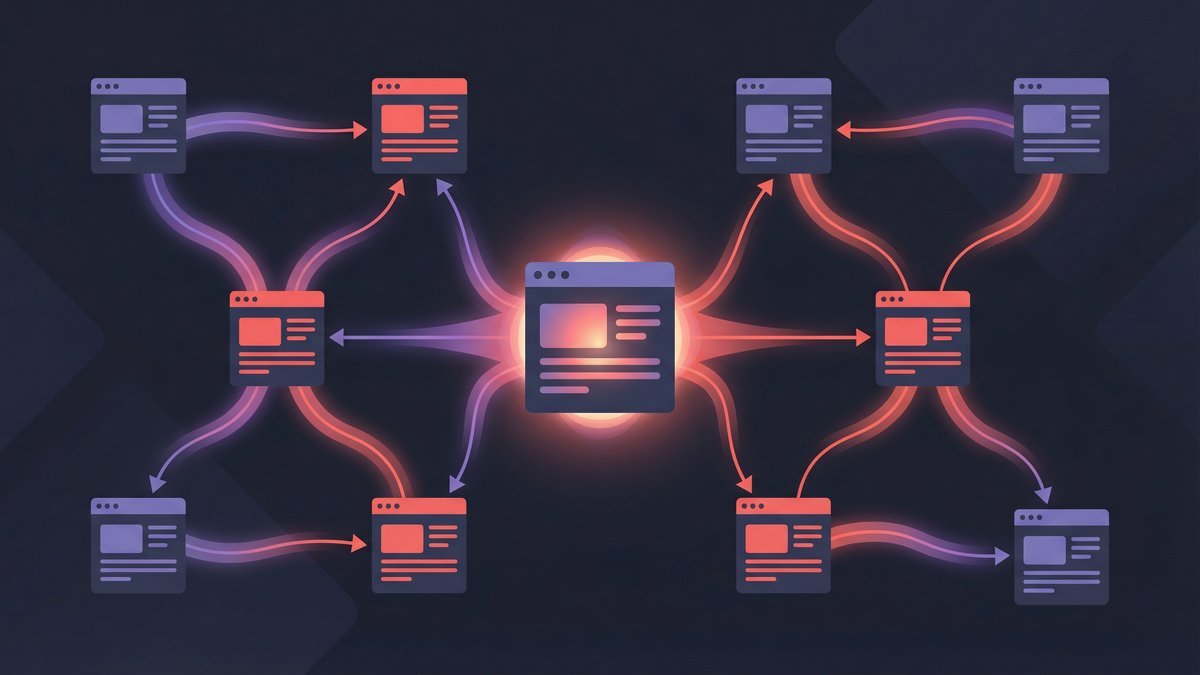
Internal linking is a fundamental SEO practice often overlooked despite its power to improve website rankings and user experience. Crafting a smart internal linking SEO strategy helps search engines understand your site structure and distributes authority efficiently across pages.
This article breaks down proven internal linking techniques such as silo structures, cocon linking, anchor text best practices, and managing link depth, aiming to help you build a robust site architecture that drives organic growth.
Understanding Internal Linking SEO and Its Importance
Internal linking SEO refers to the practice of connecting pages within the same domain through hyperlinks. This creates a network of related content that helps search engines crawl your site more effectively and boosts the ranking potential of individual pages. Beyond SEO, internal links improve user navigation by guiding visitors to relevant content, increasing time on site and reducing bounce rates.
When done correctly, internal linking distributes link equity, also known as ‘link juice,’ from authoritative pages to others that need ranking support. This balanced flow strengthens your entire website’s SEO profile.
Building Effective Silo Structures for Internal Linking SEO
Silo structures organize your website content into thematic groups, creating clear hierarchies that reinforce keyword relevance. In practice, silos group related pages under a main topic, linking from the homepage or category pages down to subpages. This focused architecture helps search engines associate content clusters with specific keywords.
To build a silo, start with broad category pages and link internally to more specific subcategory or detail pages. Avoid mixing unrelated topics within the same silo to maintain clarity. Tools like the free SEO Analyzer can help audit your existing silo structure and identify opportunities for improvement.
Leveraging Cocon Linking to Enhance Semantic Relationships
Cocon linking, inspired by the French SEO methodology, focuses on creating semantic webs between closely related pages. Unlike traditional silos, cocons emphasize contextual relevance and keyword proximity through dense interlinking. This advanced technique helps search engines understand the topic depth and nuances of your content.
Implement cocon linking by linking related articles and landing pages that share common themes or keywords, using rich anchor texts. This tactic improves topical authority and can positively influence rankings for competitive keywords.
Optimizing Anchor Text for Internal Linking SEO Success
Anchor text plays a critical role in internal linking SEO by signaling to search engines what the target page is about. Using descriptive, relevant keywords as anchor text helps reinforce page topics and improves keyword rankings. However, over-optimization with exact-match anchors can trigger penalties, so a natural mix is essential.
Best practices include using varied yet contextually relevant anchors, avoiding generic terms like ‘click here,’ and ensuring the anchor text fits seamlessly within the content. For a comprehensive list of anchor text strategies and other SEO criteria, visit the 336 SEO criteria resource by Web Generation.
Managing Link Depth and Crawlability in Your Internal Linking SEO
Link depth refers to the number of clicks it takes to reach a page from the homepage. Pages buried too deep are harder for search engines to crawl and index, reducing their SEO impact. Ideally, important pages should be accessible within three clicks from the homepage to maximize crawl efficiency and user accessibility.
Regularly audit your site structure to identify overly deep pages and improve internal linking paths. Using internal links from high-authority pages can also elevate crawl priority. The SEO Analyzer tool by Web Generation provides insights on your site’s crawlability and link depth issues.
Tools and Best Practices for Implementing Internal Linking SEO
Effective internal linking requires consistent monitoring and optimization. Leverage SEO tools like Web Generation’s free SEO Analyzer to audit link structures and identify broken or missing links. Additionally, training through Web Generation Academy courses can deepen your understanding of internal linking strategies.
Keep your internal links updated as you add new content, and always prioritize user experience by linking to relevant pages naturally. Combining these best practices with professional SEO services like those offered by Web Generation SEO services ensures your internal linking strategy drives measurable results.
Conclusion
Mastering internal linking SEO is a powerful way to enhance your website’s structure, improve user navigation, and boost search engine rankings. By implementing silos, cocon linking, optimized anchor texts, and managing link depth, you lay a solid foundation for sustained SEO success. Explore Web Generation’s SEO services and tools like the free SEO Analyzer to take your internal linking strategy to the next level.
Frequently Asked Questions (FAQ)
What is the main benefit of internal linking SEO?
Internal linking SEO improves site navigation, distributes link equity across pages, and helps search engines understand the structure and relevance of your content, ultimately boosting rankings.
How does a silo structure improve SEO?
A silo structure groups related content into thematic sections, reinforcing keyword relevance and helping search engines associate content clusters with specific topics, which improves ranking potential.
What is cocon linking in SEO?
Cocon linking is a technique that creates dense, semantically related internal links between pages to build topical authority and improve search engine understanding beyond traditional silo methods.
How should I optimize anchor text for internal links?
Use descriptive, relevant keywords naturally within anchor texts, avoid overusing exact-match anchors, and steer clear of generic phrases to maintain a balanced and effective internal linking profile.
Why is link depth important for SEO?
Pages too deep in your site hierarchy are harder for search engines to crawl and index, which can diminish their SEO value. Keeping important pages within three clicks from the homepage is ideal.